Namibia has confirmed an outbreak of Foot-and-Mouth Disease (FMD) in our FMD-free zone.
Here’s what has happened, what the new restrictions mean, and why it matters.
The Ministry of Agriculture, Fisheries, Water and Land Reform has confirmed the detection of Foot-and-Mouth Disease on a commercial farm in the Karasburg State Veterinary District in the //Kharas Region.
The announcement was made on 23 September 2026, following routine disease surveillance by veterinary officials.
What happened?
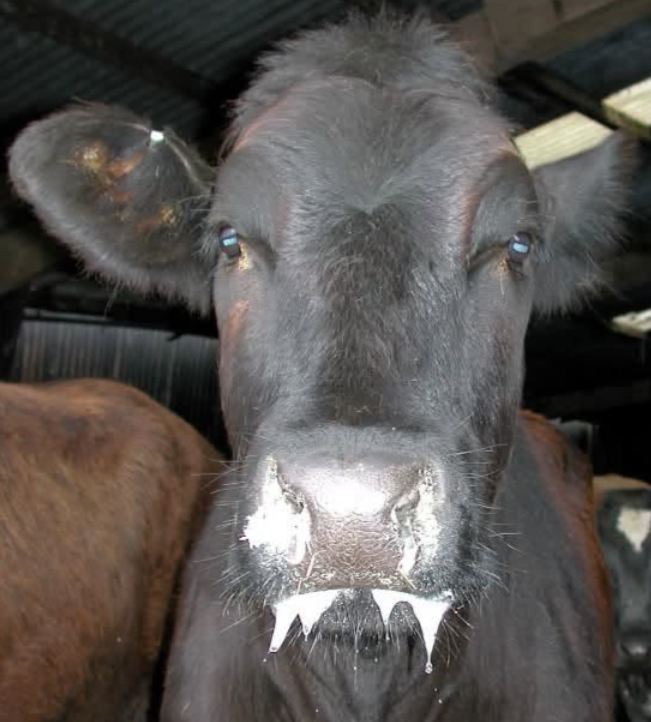
Veterinary officials identified 11 cattle showing signs consistent with Foot-and-Mouth Disease.
Samples were taken from the cattle on 22 September and tested at the Central Veterinary Laboratory in Windhoek.
Of the 11 samples tested, 10 came back positive for FMD.
This confirms an active FMD outbreak within an area of Namibia that is recognised as an FMD-free zone.
What does this mean for Namibia?
Because FMD is a highly infectious animal disease, the Ministry has introduced immediate measures to try to prevent the outbreak from spreading.
The biggest change for now is that the movement of cloven-hoofed animals and their products has been suspended across the country.
The import and export of cloven-hoofed animals has also been suspended until further notice.
In simple terms, this means there are currently restrictions on moving livestock such as cattle and other cloven-hoofed animals, as well as related livestock products.
The Directorate of Veterinary Services will issue a further public notification setting out the control measures in more detail.
Why should we be concerned?
The outbreak isn’t only a livestock issue — it could have wider economic consequences.
The Ministry says the restrictions could have a serious impact on the national economy and the livelihoods of Namibians, particularly because the marketing of livestock and livestock products, both locally and internationally, will be affected.
For farmers and businesses connected to the livestock industry, restrictions on moving and marketing animals can have a direct impact on their operations.
What happens next?
The Ministry says its immediate priority is to contain the outbreak as quickly as possible.
It is calling for cooperation between government institutions, the livestock industry, stakeholders, the public and other relevant organisations as Namibia works to control the disease.
For now, the important thing for the public to know is:
The livestock movement and import/export restrictions are in effect until further notice.
Further details will be provided by the Directorate of Veterinary Services through a Veterinary Public Notification.
Nova will keep you updated as more information becomes available.