From extreme weather and power failures to accidents, cyber disruptions and other emergencies, being properly prepared at home is becoming increasingly important.
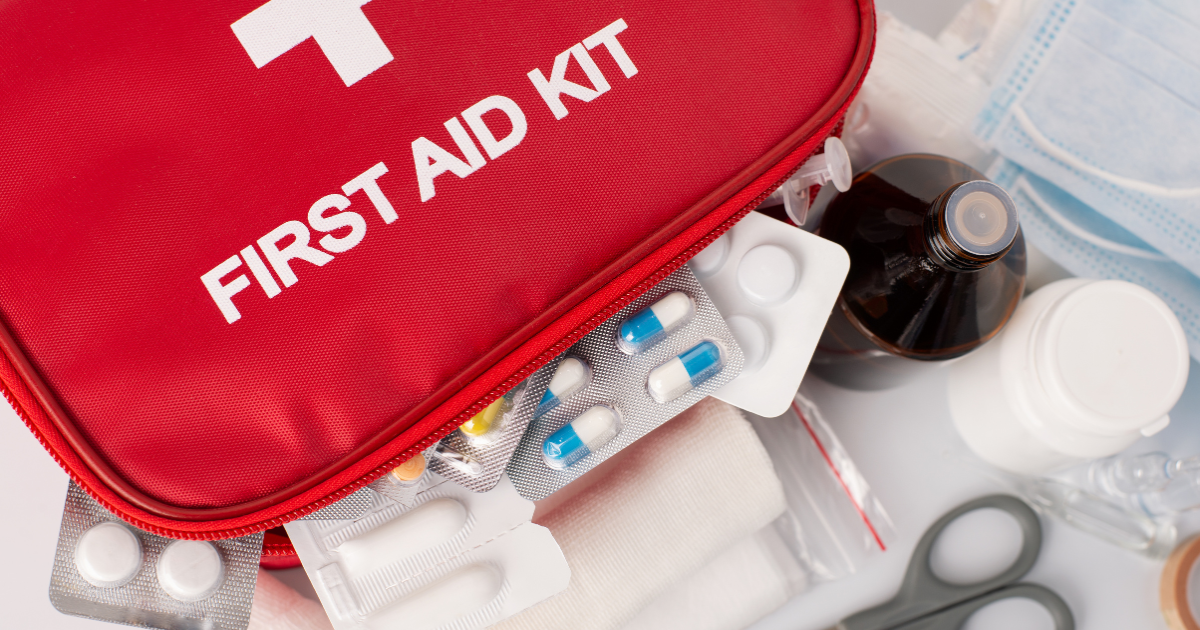
A GP has now shared the items she believes should form part of a practical emergency first aid kit, and most of them are simple, inexpensive things many households already have.
Dr Penelope Sheehan says the starting point is a good selection of plasters in different sizes. A small cut on a finger requires something very different from a scraped knee, so having several options makes a basic first aid kit far more useful.
Sterile gauze dressings, wound closure strips and microporous tape should also be included for larger cuts and wounds, along with antiseptic wipes or cream and disposable gloves.
A pair of fine point tweezers can help remove splinters and debris, while small blunt tipped scissors are useful for cutting dressings, tape or clothing safely.
One particularly useful addition is sterile saline solution. During an emergency, clean running water may not always be immediately available, making saline useful for flushing wounds or cleaning around an injury.
An instant cold pack can help with sprains, bruising and swelling, while an elastic bandage can provide support for injured joints.
Dr Sheehan describes the triangular bandage as one of the most overlooked pieces of first aid equipment. It can be used as a sling for an injured arm, to secure dressings or to help immobilise an injury.
Basic medication is important too. A well stocked kit should contain paracetamol, ibuprofen and an antihistamine tablet or cream, together with oral rehydration sachets.
A digital thermometer, burns dressing or hydrogel and a foil emergency blanket complete the medical side of the kit.
It is also worth including a torch, particularly during power failures or emergencies at night.
Perhaps most importantly, Dr Sheehan recommends keeping a basic first aid guide inside the kit. Even people familiar with first aid can forget the correct procedure when dealing with an injured or distressed person.
She notes that even medical professionals can struggle to remember every step when faced with an emergency in the middle of the night.
What should be in an emergency first aid kit?
A practical home first aid kit should contain:
- Assorted plasters in several sizes
- Sterile gauze dressings
- Wound closure strips
- Microporous tape
- Antiseptic wipes or cream
- Disposable gloves
- Fine point tweezers
- Small blunt tipped scissors
- Sterile saline solution
- Instant cold pack
- Elastic bandage
- Triangular bandage
- Digital thermometer
- Paracetamol
- Ibuprofen
- Antihistamine tablets or cream
- Oral rehydration sachets
- Burns dressing or hydrogel
- Foil emergency blanket
- Torch
- Basic first aid guide
- Emergency contact numbers
- Important medical information for members of the household
It is also worth checking the kit every few months. Medicines and sterile products expire, batteries go flat and supplies have a habit of disappearing after minor household injuries.
The idea is not necessarily to prepare for “doomsday”. It is simply to make sure that when something does go wrong, the basics are already within reach.